Old Soul, New City: How Ulaanbaatar Keeps Its Nomadic Heart Beating in a Modern Metropolis
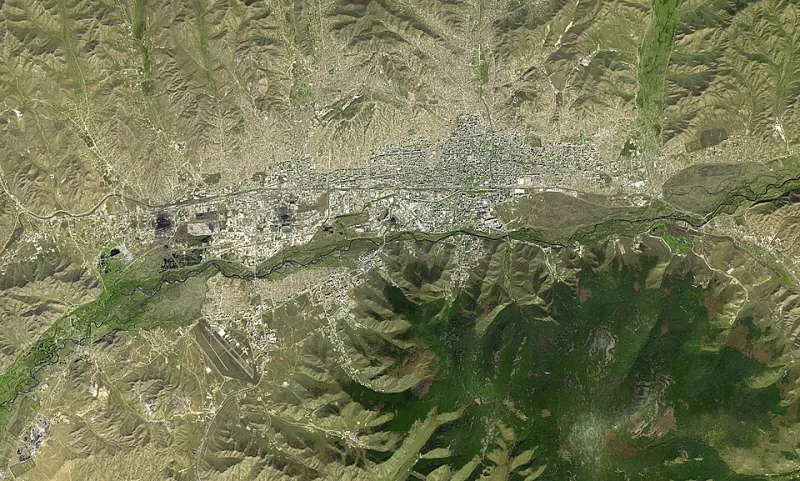
Photo: Chongkian, CC BY-SA 4.0, via Wikimedia Commons
There's a moment every first-time visitor to Ulaanbaatar eventually experiences. You're riding an elevator in a sleek downtown hotel, scrolling through Instagram, when the doors open and — through the lobby's floor-to-ceiling windows — you spot a cluster of traditional white gers sitting quietly between two Soviet-era apartment blocks. It's jarring, then fascinating, then somehow completely logical. That tension between the ancient and the ultramodern isn't a glitch in Ulaanbaatar's identity. It is the identity.
For American travelers used to cities that either preserve history under glass or bulldoze it entirely, UB (as locals affectionately call it) offers something genuinely rare: a living, breathing cultural negotiation happening in real time. Here are five ways the city is pulling it off in ways you'd never expect.
1. Tech Startups with a Nomadic Blueprint
Silicon Valley has its garages. Ulaanbaatar's entrepreneurs have their gers.
In the city's ger districts — sprawling residential neighborhoods where traditional circular dwellings cluster along unpaved roads — a quiet revolution is underway. A handful of forward-thinking startups and creative agencies have set up shop inside renovated ger compounds, blending fiber-optic internet and laptop-friendly workspaces with the circular, community-centered architecture that Mongolians have used for centuries.
The symbolism isn't lost on anyone. The ger's round design has always been intentional — no corners means no hierarchy, no head of the table. Some founders say that philosophy directly shapes how their teams collaborate. "We don't have an org chart that looks like a pyramid," one young Mongolian app developer told a local business journal. "We think in circles."
For visitors, several of these hybrid spaces occasionally open to the public for events or coworking days. Check local Facebook groups and expat forums for pop-up announcements — stumbling into one of these sessions is the kind of authentic UB moment no tour operator can package.
2. Fashion That Wears Its Roots Proudly
Mongolian fashion is having a serious moment, and Ulaanbaatar's emerging designers are the reason why.
A new wave of local labels is reinterpreting the deel — the traditional wraparound garment worn across Central Asia for millennia — through a distinctly contemporary lens. Think structured silhouettes in cashmere (Mongolia produces some of the world's finest), embroidered details pulled from regional folk patterns, and color palettes inspired by the steppe's dramatic seasonal shifts.
Boutiques along Peace Avenue and in the Zaisan district showcase these collections alongside international brands, and the contrast is striking. These aren't costumes or heritage pieces locked in a museum — they're clothes people actually wear to gallery openings, dinner parties, and yes, to the office.
If you want to take something genuinely meaningful home, skip the airport souvenir shops. Seek out independent designers at the State Department Store's upper floors or at weekend markets near Sukhbaatar Square. A handcrafted piece from a local label tells a richer story than any mass-produced keychain ever could.
3. Naadam Goes Next-Level
Every July, Mongolia celebrates Naadam — a festival of the "three manly games" (wrestling, archery, and horse racing) that dates back to the era of Genghis Khan. If you've seen photos, you probably picture sun-baked fields and traditional costumes. That part is absolutely real. But what happens around the edges of Naadam in modern UB might surprise you.
The National Sports Stadium, where the main wrestling and archery competitions are held, is a thoroughly modern facility that gets transformed into a spectacle combining ancient ceremony with production values that wouldn't look out of place at a Super Bowl halftime show. LED screens broadcast slow-motion replays of wrestling bouts. Opening ceremonies feature drone light displays over the stadium. Food vendors outside sell both traditional khuushuur (fried mutton pastries) and Korean fried chicken.
Beyond the stadium, the city's bars and restaurants host Naadam watch parties, local musicians drop festival-themed sets, and art galleries mount exhibitions exploring what these traditions mean to younger Mongolians. It's a festival that simultaneously honors its origins and refuses to be frozen in time — which, honestly, is the most Ulaanbaatar thing imaginable.
4. Sacred Spaces in Surprising Contexts
Buddhism was nearly eradicated in Mongolia during the Soviet era, when hundreds of monasteries were destroyed and monks were persecuted. The faith's revival since the 1990s has been remarkable — and it's showing up in some unexpected corners of modern UB.
Walk through the Gandan Monastery complex, the city's spiritual heart, and you'll find monks in traditional robes navigating the grounds while simultaneously fielding calls on smartphones. Prayer flags flutter above buildings that also house libraries with digital archives. Small shrine rooms have been incorporated into some office buildings and shopping complexes, offering workers a quiet space for midday reflection.
This isn't commercialization of religion — it's integration. For visitors, it's a reminder that spiritual life in Ulaanbaatar isn't confined to designated holy hours or heritage sites. It's woven into the texture of daily life in ways that feel organic rather than performative.
5. The Nightlife Scene Nobody Talks About
Here's one that tends to catch American visitors completely off guard: Ulaanbaatar has a genuinely thriving contemporary music and nightlife scene.
The city's clubs and live music venues — concentrated around the Seoul Street corridor and scattered through the Zaisan neighborhood — host everything from throat-singing fusion acts (yes, traditional Mongolian khoomei blended with electronic production is a real genre, and it's incredible) to K-pop cover nights to homegrown hip-hop artists rapping in Mongolian about nomadic identity and urban alienation.
These aren't tourist shows. They're spaces where young Mongolians process what it means to grow up between two worlds — the steppe their grandparents called home and the globalized city they were born into. Grab a local craft beer, find a corner, and just listen. You'll hear a city figuring itself out in real time, and that's more fascinating than any museum exhibit.
Ulaanbaatar isn't trying to be a theme park version of Mongolian culture, and it isn't trying to erase that culture in favor of generic modernity either. It's doing the harder, messier, more interesting thing: holding both realities at once. For travelers willing to look past the surface, that tension is exactly what makes this city worth the long flight.