Eat Like a Local: Ulaanbaatar's Food Scene Beyond the Obvious
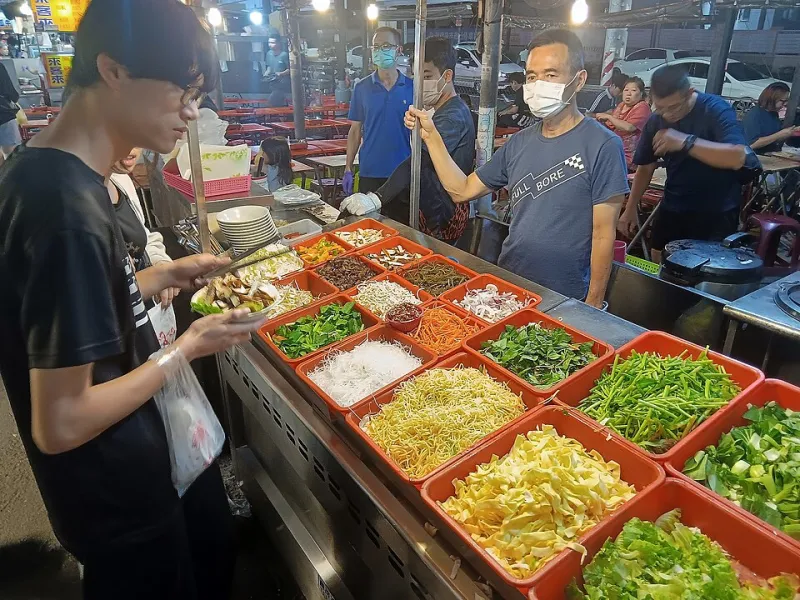
Photo: Bahnfrend, CC BY-SA 4.0, via Wikimedia Commons
Let's be honest — most travel guides to Ulaanbaatar cover two Mongolian dishes and call it a day. You'll read about buuz (those plump steamed dumplings) and maybe khorkhog (meat slow-cooked in a pot with hot stones), and then the article moves on to Genghis Khan statues. But if you're a serious food lover, that's barely scratching the surface of what this city has to offer.
Ulaanbaatar is a fast-evolving capital with a food scene that reflects its contradictions: ancient nomadic traditions crashing into a young, urban population that's hungry — literally and figuratively — for something new. For American travelers willing to wander off the main drag, the rewards are real.
Start Where the Locals Actually Start: The Market Scene
Skip the hotel breakfast and head to Narantuul Market — or the "Black Market" as it's universally known — on the eastern edge of the city. It's chaotic, it's loud, and it is absolutely worth it. The food stalls clustered around the market's edges are where working Mongolians grab a quick meal between shifts. Look for guriltai shul, a hearty noodle soup with mutton that costs next to nothing and tastes like someone's grandmother made it. Spoiler: someone's grandmother probably did.
For a slightly more organized experience, the State Department Store in the city center has a basement food hall that feels like a cross between a Soviet canteen and a modern food court. It's not glamorous, but it's authentic — and you'll find everything from fresh dairy products to dried meat snacks that make excellent (if pungent) carry-on conversation starters.
The Dishes You Haven't Heard Of
Buuz gets all the press, but Mongolia's culinary vocabulary is much richer than one dumpling. Here's what to actually order:
Tsuivan is a stir-fried noodle dish with mutton and vegetables that shows up on almost every local canteen menu. It's filling, savory, and deeply satisfying after a cold day of sightseeing. Think of it as Mongolia's answer to lo mein, but heartier.
Khuushuur are flat fried dough pockets stuffed with seasoned meat — basically a Mongolian empanada. You'll find them at street food stalls, especially around Sukhbaatar Square on weekday afternoons. They're cheap, hot, and genuinely delicious.
Aaruul is dried curd cheese that Mongolians snack on the way Americans snack on jerky. It's an acquired taste — chalky, slightly sour, intensely dairy — but trying it is a rite of passage. You'll find it sold in little bags at almost any convenience store.
Airag, fermented mare's milk, is the national beverage and a cultural institution. It's mildly alcoholic, fizzy, and tangy in a way that's hard to describe. If someone offers you a bowl, accept it — refusing is considered rude, and honestly, you'll miss out.
Hidden Restaurants Worth Seeking Out
Ulaanbaatar has a handful of neighborhood restaurants — called "guanz" locally — that cater almost exclusively to Mongolian families and office workers. They're often unmarked in English, tucked into ground-floor spaces in residential buildings, and identified mainly by a handwritten menu in the window.
The trick to finding them is to look for clusters of people eating around noon on weekdays. Mongolians eat lunch seriously, and a busy guanz at 12:30 PM is almost always a good guanz. Point at what the person next to you is eating if you can't read the menu — this is universally understood and usually results in the right call.
For a step up in atmosphere without losing the authenticity, Modern Nomads restaurant near the city center has become a favorite among Mongolian professionals for good reason. The menu bridges traditional recipes with contemporary presentation, and the staff can usually help English-speaking diners navigate the options.
Navigating Menus Without English
Here's the practical truth: outside of tourist-facing restaurants, English menus are rare. But this shouldn't stop you. A few strategies that actually work:
- Use Google Translate's camera function. It handles Mongolian (Cyrillic script) reasonably well for food terms. Download the offline language pack before you leave home.
- Learn five words. "Makh" means meat. "Guriltai" means with noodles. "Shul" means soup. "Khоol" means food/meal. "Амттай" (amttai) means delicious — use it after eating and you'll make a friend.
- Point confidently. Mongolians are generally patient with food-curious foreigners who show genuine interest. A smile goes a long way.
Seasonal Eating: When You Visit Changes What You Eat
Mongolian food is deeply seasonal in ways that American dining rarely is anymore. Summer (June through August) brings Naadam Festival foods — vendors set up across the city selling khuushuur by the hundreds, and dairy products hit their peak freshness. Fresh vegetables also become more available in summer, which matters in a cuisine that can lean heavily on meat and starch.
Winter is when the heavy, fat-rich dishes make the most sense — and when you'll truly appreciate a bowl of tsuivan after walking through -20°F temperatures. Mongolians eat richer, fattier cuts in winter deliberately; it's practical adaptation dressed up as tradition.
Food Etiquette You Should Actually Know
A few customs that will keep you from accidentally offending your hosts:
- Always accept food or drink offered to you, even if you just take a small taste. Refusing is considered dismissive.
- Use your right hand, or both hands, when receiving food. Offering something with your left hand alone is considered impolite.
- Don't waste food. Mongolian hospitality is tied to generosity, and leaving a plate completely untouched sends the wrong message.
- If you're invited into a ger (yurt) for a meal — which can happen if you take day trips outside the city — wait to be directed where to sit. There's a spatial etiquette to ger seating that your host will appreciate you respecting.
The Bottom Line
Ulaanbaatar isn't going to replace Tokyo or Mexico City on the global foodie circuit anytime soon — and that's part of what makes it interesting. The city's food scene is raw, unpretentious, and deeply tied to a way of life that most Americans have never encountered. If you come with an open stomach and a willingness to point at things you can't pronounce, you'll eat some of the most memorable meals of your traveling life. Just don't fill up on buuz before you've tried everything else.