Hot Summers, Frozen Winters: How to Plan Your Ulaanbaatar Adventure by Season
Photo: Bernard Gagnon, CC0, via Wikimedia Commons
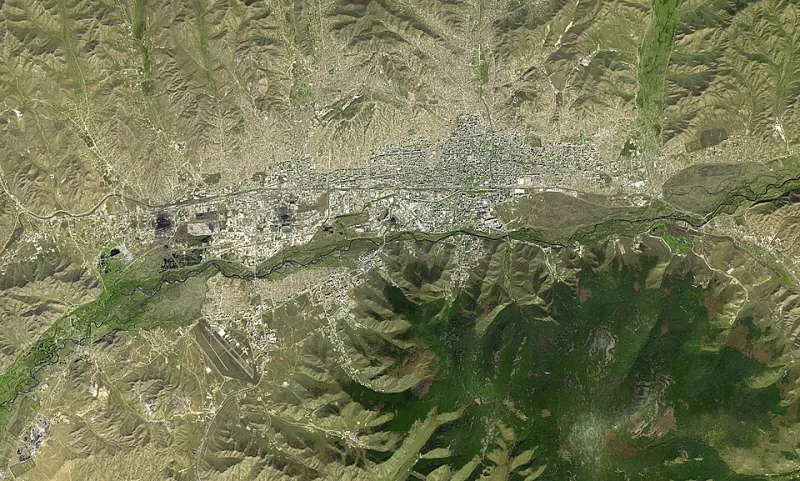
Ulaanbaatar holds a title most cities would rather not have: it's the coldest capital city in the world. We're talking January temperatures that routinely drop to -40°F — a number that, somewhat terrifyingly, is the same in both Fahrenheit and Celsius. But here's the thing: the city doesn't shut down. It leans in. And for American travelers who are tired of the same-old European city break or Southeast Asian beach trip, that extreme contrast is exactly the draw.
The flip side of those brutal winters is a summer that feels almost euphoric by comparison — blue skies, a surprisingly green landscape, and a city buzzing with energy and cultural events. Understanding how Ulaanbaatar transforms between these two poles will completely change how you plan your visit.
Winter in Ulaanbaatar: Cold as a Feature, Not a Bug
November through March is when the city earns its reputation. The Mongolian steppe surrounding Ulaanbaatar turns into a vast, snow-covered expanse, the air is brutally dry and cold, and the city takes on a stark, cinematic quality that photographs unlike anywhere else on earth. For travelers who grew up in places like Minnesota or Montana, the scale might feel familiar. For everyone else, prepare to recalibrate your definition of "cold."
But here's what surprises most first-time winter visitors: Ulaanbaatar is genuinely fun in winter if you dress for it and embrace what the season offers.
Ice Skating and Frozen Fun
The city's parks transform into outdoor skating rinks once temperatures stabilize in December. Sukhbaatar Square occasionally hosts ice events, and Nairamdal Park — a large green space in the city — becomes a hub for families skating, sledding, and generally refusing to let the cold win. Rental skates are available and cheap. The experience of gliding across ice under a cobalt-blue Mongolian winter sky, surrounded by locals who've been doing this since childhood, is genuinely unforgettable.
For something more adventurous, sledding on the hills surrounding the city is a Mongolian winter staple. You don't need organized tours for this — ask at your guesthouse, and someone will point you toward where the locals go.
Ice Festivals and Cultural Winter Events
The most spectacular winter event in the broader region is the Eagle Festival, held in western Mongolia (a domestic flight from Ulaanbaatar), but the city itself hosts various winter cultural celebrations tied to Tsagaan Sar — the Mongolian Lunar New Year, which typically falls in January or February. This is one of the most important holidays in Mongolian culture, and if your timing aligns, you'll witness a city that goes all-in on family, food, and tradition in a way that's genuinely moving.
Practical Winter Reality Check
Layer. Seriously — this cannot be overstated. Merino wool base layers, a serious mid-layer, and a windproof outer shell rated for extreme cold are non-negotiable. Your standard North Face jacket that handles a New York winter will not cut it here. Invest in proper gear or plan to buy locally (Ulaanbaatar has surprisingly good outdoor gear shops given the national obsession with surviving outdoors).
Also worth knowing: the city's air pollution peaks in winter due to the coal-burning stoves used in the ger districts on the city's outskirts. Air quality can get rough on still, cold days. A quality face mask — N95 or better — is a smart addition to your packing list.
Summer in Ulaanbaatar: Mongolia's Short, Brilliant Season
June through August is when Ulaanbaatar transforms. Average temperatures climb into the 60s and 70s°F, the hills around the city green up dramatically, and the entire country seems to exhale after months of deep freeze. For Americans who want the full Mongolian experience without the extreme cold commitment, summer is the obvious choice.
Naadam Festival: The Main Event
If you do nothing else, time your visit around Naadam, held July 11–13 each year. This is Mongolia's national festival — think of it as the Fourth of July, the Olympics, and a county fair rolled into one. The three main events are wrestling, archery, and horse racing, and all three are taken seriously in a way that's both impressive and deeply entertaining to watch.
The opening ceremony at the National Stadium in Ulaanbaatar is spectacular — colorful, loud, and proudly Mongolian. Horse racing events take place on the steppe outside the city, which means you'll get your first real taste of the landscape that defines this country. Book accommodations well in advance if you're visiting during Naadam; this is peak season and the city fills up.
Hiking and Outdoor Adventures
The mountains and valleys surrounding Ulaanbaatar become accessible in summer, and they're stunning. Bogd Khan Mountain, which rises directly behind the southern edge of the city, is a protected national park and a legitimate hiking destination. Trails range from manageable day hikes to more serious multi-day routes. The views back over the city from the upper slopes are worth every uphill step.
For day trips, the Terelj National Park — about an hour's drive from the city — is where Mongolians go to reconnect with nature on weekends. You can hike, rent horses, stay in a ger camp, and get your first real feel for the steppe landscape that defines the country. It's an easy, well-organized excursion that doesn't require a lot of planning.
Summer Festivals Beyond Naadam
Naadam gets all the attention, but summer in Ulaanbaatar has a broader festival calendar worth exploring. The Mongolian National Modern Music Festival and various cultural events fill out the calendar in June and August. The city's parks come alive with outdoor markets, food vendors, and community gatherings that give you a window into everyday Ulaanbaatar life.
So: Winter or Summer?
Here's a simple breakdown to help you decide:
Choose winter if you:
- Have a high cold tolerance and good gear
- Want dramatic, uncrowded experiences and lower prices
- Are interested in Tsagaan Sar cultural immersion
- Love the idea of a city that refuses to be defeated by its climate
Choose summer if you:
- Want outdoor adventure with manageable weather
- Are prioritizing Naadam Festival (non-negotiable — go in July)
- Plan to extend your trip into the countryside
- Prefer a city in full social swing
Avoid if possible: Late April through May (muddy, unpredictable, between seasons) and late October through November (the cold has arrived but the winter activities haven't fully kicked in yet).
The Bottom Line
Ulaanbaatar doesn't ask you to meet it halfway. It's extreme, unapologetic, and unlike any city most Americans have experienced. Whether you show up in a January deep freeze or a July heat of festival energy, the city delivers something genuinely different — and genuinely memorable. The only wrong answer is not going.