Wrestling, Rituals, and Relics: How to Tap Into Mongolia's Living Traditions Without Leaving the City
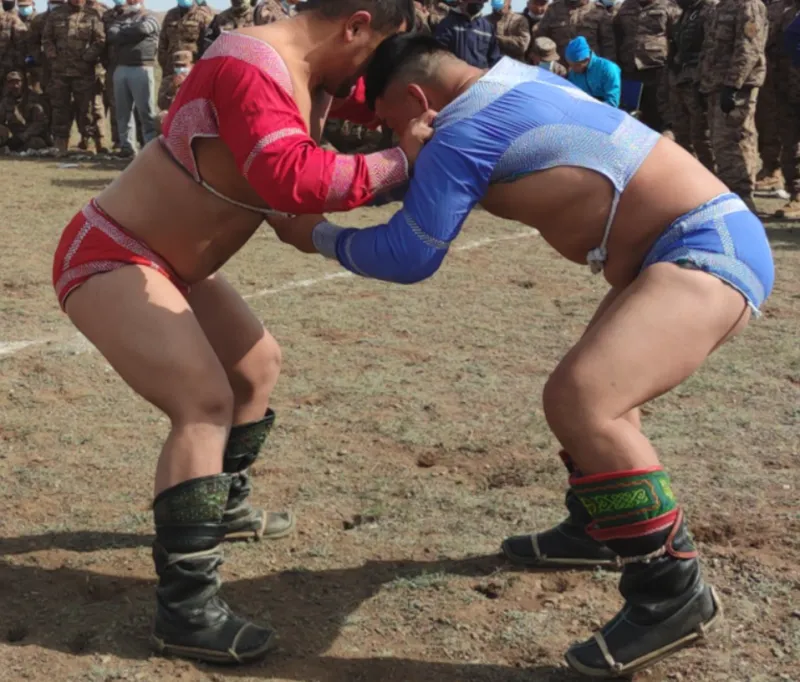
Photo: Ministry of Defense of the Russian Federation, CC BY 4.0, via Wikimedia Commons
Let's be honest: most travel content about Mongolia is obsessed with the countryside. The rolling hills, the ger camps, the horseback rides at sunset. And sure, all of that is incredible. But if your itinerary doesn't include a multi-day excursion into the wilderness — or if you're working with limited time — you might be wondering whether Ulaanbaatar itself has anything culturally meaningful to offer.
The answer is a definitive yes. Mongolia's capital is not just a logistics hub. It's a living repository of the country's traditions, from Tibetan Buddhist monasteries that survived Soviet purges to wrestling training halls where athletes prepare for one of the world's oldest sporting traditions. If you're intentional about how you explore the city, you can come away with a genuine understanding of Mongolian heritage — no ger camp required.
Start at the National Museum of Mongolia
If you only visit one museum in UB, make it this one. The National Museum of Mongolia, located near Sukhbaatar Square in the city center, is the single best overview of the country's history and culture you'll find anywhere. The collection spans from prehistoric times through the Mongol Empire, the Buddhist era, the socialist period, and into the present day.
The traditional clothing exhibits alone are worth the price of admission — the detail in the ceremonial deels (traditional robes) and the regional variation across Mongolia's ethnic groups is genuinely stunning. Budget at least two hours here, and consider hiring a local guide through the museum to get context that the placards alone won't give you.
For a more focused deep dive into the nomadic lifestyle specifically, the Mongolian National Museum of Natural History and the Zanabazar Fine Arts Museum are also excellent, though the latter skews more toward Buddhist art and iconography.
Gandan Monastery: Buddhism That's Still Breathing
Gandantegchinlen Monastery — known locally as Gandan — is Ulaanbaatar's most important Buddhist site and one of the few major monasteries that survived the Stalinist purges of the 1930s, when thousands of monks were executed and hundreds of religious sites were destroyed across the country. Walking through its gates feels like stepping into a different time.
The centerpiece is an enormous gilded statue of Migjid Janraisig, a bodhisattva of compassion, housed in a temple that's genuinely awe-inspiring in scale. Morning prayers, which typically begin around 9 or 10 a.m., are open to respectful visitors — watching monks chant in their burgundy robes while incense drifts through the air is one of those quietly unforgettable travel moments.
A few practical notes: dress modestly (covered shoulders and knees), remove your shoes before entering temples, walk clockwise around religious structures, and ask before photographing monks or worshippers. Gandan is an active religious site, not a performance for tourists, and treating it accordingly will make the experience richer for everyone.
Mongolian Wrestling: Where to Watch and What to Know
Mongolian wrestling — bökh — is one of the three Naadam sports (alongside archery and horse racing) and has been practiced on the steppe for literally thousands of years. If you're visiting in July, the National Naadam Festival is the obvious highlight: the country's best wrestlers compete in a massive outdoor tournament that draws crowds from across Mongolia and is one of the most spectacular sporting events you'll ever witness.
But Naadam only happens once a year. For the rest of your visit, keep an eye out for smaller regional Naadam events and wrestling exhibitions that take place at various points throughout the summer. The Mongolian Wrestling Palace, located in the city, occasionally hosts training sessions and events — checking with your accommodation or a local tour operator about upcoming matches is your best bet for catching live action outside of the main festival.
If you want to go beyond watching, some cultural tour operators in UB offer introductory wrestling sessions where visitors can learn basic techniques under the guidance of a trainer. It's a fun, physical way to engage with the tradition rather than just observe it from the bleachers.
Shamanism in the City
Mongolia has a deep shamanic tradition that predates Buddhism by centuries, and while it's most associated with rural and remote regions, it's more present in Ulaanbaatar than many visitors realize. The Mongolian Shamans' Association operates in the city and, in some cases, facilitates cultural consultations or ceremonial experiences for interested visitors.
This is territory that deserves a respectful approach. Shamanic practices are not a tourist attraction — they're a living spiritual tradition with real meaning for the people who practice them. If you're genuinely curious, seek out experiences through reputable cultural organizations or guides who can provide proper context and ensure you're engaging in a way that's appropriate. Done right, it's one of the most profound cultural windows the city can offer.
Bogd Khan Mountain: Sacred Ground on the City's Edge
Just south of Ulaanbaatar, Bogd Khan Mountain rises above the city and has been considered sacred for centuries. It's one of the oldest protected areas in the world — a royal hunting reserve since the 17th century and formally protected since 1778. Today it's a national park and a spiritual site, with hiking trails that bring you through forested slopes and past ovoo (stone cairn shrines) where offerings are left by locals.
The mountain is close enough to reach on a half-day trip from the city center, and it provides a striking contrast to the urban environment below. At the base, the Manzushir Monastery ruins are worth exploring — the site was destroyed in the purges but has been partially restored, and the setting is beautiful.
When you encounter an ovoo on the trail, the tradition is to walk around it three times clockwise and add a stone if you wish. It's a small gesture, but participating in these small rituals — even as an outsider — is part of what makes travel meaningful.
Putting It All Together
Ulaanbaatar won't give you the steppe experience. It won't give you the silence of the Gobi or the sight of a herd of horses moving across an open horizon. But it will give you something different and equally valuable: a concentrated, accessible entry point into a culture that has survived empires, purges, and rapid modernization while holding onto something ancient and distinctly its own.
The museums, the monastery, the wrestling halls, the sacred mountain on the city's southern edge — these aren't consolation prizes for travelers who couldn't make it to the countryside. They're essential stops in their own right. Plan accordingly.