Loud, Raw, and Totally Unexpected: Finding Live Music in Ulaanbaatar
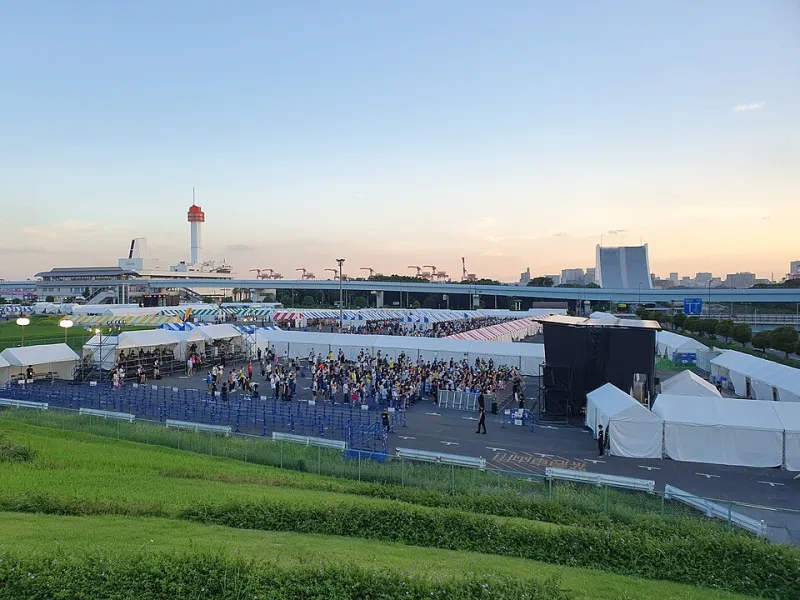
Photo: Syced, CC0, via Wikimedia Commons
When most Americans picture Mongolia, they think wide-open grasslands, nomadic herders, and maybe a camel or two. What they probably don't picture is a basement venue in the capital city packed with twenty-somethings moshing to a local metal band while a sound engineer tweaks the monitors from behind a secondhand mixing board. But that's exactly what you'll find if you know where to look.
Ulaanbaatar has a music scene. A real one. And it's been quietly growing for decades, shaped by a fascinating collision of ancient tradition, Soviet-era influence, and a generation of young Mongolians who grew up on everything from Kurt Cobain to K-pop. Whether you're a casual listener or the kind of traveler who builds entire trips around live music, UB will surprise you.
Throat Singing: The Original Underground
Before we get to the rock clubs, let's talk about the sound that's been here the longest. Mongolian throat singing — called khoomei — is one of the most distinctive musical traditions on the planet. Performers produce multiple pitches simultaneously, creating an almost otherworldly harmonic effect that has to be heard in person to be fully appreciated.
The State Academic Theatre of Opera and Ballet on Sukhbaatar Square occasionally features traditional performances, but for something more intimate, look for smaller cultural shows at venues like the Tumen Ekh Ensemble performance hall. These nightly shows are geared toward visitors but don't feel dumbed down — you'll hear khoomei alongside morin khuur (the iconic horsehead fiddle) and traditional dance. It's the kind of thing that genuinely stops you mid-sip and makes you put down your drink.
If you want to go deeper, ask around at guesthouses or check local Facebook groups for urtiin duu (long song) performances — these tend to pop up at cultural events and are far less advertised than the packaged tourist shows.
The Rock and Indie Scene: Louder Than You'd Expect
Ulaanbaatar's rock scene took root in the early 1990s, right after the fall of communism opened Mongolia up to outside cultural influence. Bands started forming almost overnight, and the energy has never really let up. Today, the city has a legitimate indie and alternative rock ecosystem, with local bands gigging regularly and a handful of dedicated venues keeping things going.
Grand Khaan Irish Pub is one of the most foreigner-friendly spots in the city and regularly hosts live bands on weekends. Yes, it's an Irish pub in Mongolia — go with it. The beer is cold, the crowd is mixed, and the local acts that play there range from covers of Western classics to original Mongolian rock. It's a solid entry point if you're not sure where else to start.
For something grittier, Ikh Mongol and a handful of smaller clubs in the Sukhbaatar and Chingeltei districts host original local acts on a rotating basis. These venues don't always have polished English-language websites, so the best strategy is to check the UB nightlife Facebook groups or simply ask your hotel or hostel staff what's on that week. Mongolians are genuinely enthusiastic about their music scene and will point you in the right direction.
Hip-Hop and Electronic: The New Wave
Mongolian hip-hop has exploded in popularity over the past decade, and Ulaanbaatar is where most of it originates. Artists like Gee and Tsetse helped build a local rap culture that has since spawned dozens of acts with serious followings. You'll hear it blasting from cars, shops, and — if you're lucky — live at one of the city's club nights.
Electronic music has also carved out a niche, with DJs and producers running regular events at clubs in the downtown area. These nights tend to start late (think 11 p.m. or midnight) and run until the early hours, which is pretty standard for UB nightlife in general. Dress codes are usually relaxed, but the vibe at these events skews younger and more fashion-conscious than the rock venues.
Practical Tips for Navigating UB Nightlife
Going out in Ulaanbaatar as a foreigner is genuinely fun, but a few practical notes will save you some headaches.
Bring cash. Many smaller venues don't reliably accept cards. ATMs are widely available in the city center, but it's worth having Mongolian tögrög on hand before you head out for the night.
Get a local SIM. Data is cheap in Mongolia and having it on your phone makes navigation infinitely easier. Google Maps works well in UB, and you'll want it when you're trying to find a venue down a side street at midnight.
Don't rely on fixed schedules. Live music in UB operates on something of a fluid timeline. Shows that are listed for 9 p.m. might not start until 10:30. Embrace it. Grab a drink, talk to someone, and enjoy the buildup.
Language isn't as much of a barrier as you'd think. Younger Mongolians, especially those working in the music and nightlife industry, often speak at least some English. Smiling, being genuinely curious about the music, and not acting like a tourist who wandered in by accident will get you a long way.
Safety is generally not a major concern in the central areas where most venues are located, but use the same common sense you would in any unfamiliar city — don't flash expensive gear, stick to lit streets when walking between spots, and keep an eye on your belongings in crowded spaces.
Why This Scene Matters
There's something genuinely moving about watching a Mongolian band tear through an original song in a city that, just a few decades ago, was completely cut off from the kind of music that influenced them. The UB music scene isn't a copy of anything — it's its own thing, built from a unique mix of heritage and hunger. The throat singing and the punk rock exist in the same city, sometimes in the same night, and that tension is exactly what makes it worth seeking out.
Next time someone tells you Ulaanbaatar is just a stopover on the way to the countryside, tell them they're missing the show.