So You Want to Launch a Startup in Ulaanbaatar: A Real Talk Guide for American Entrepreneurs
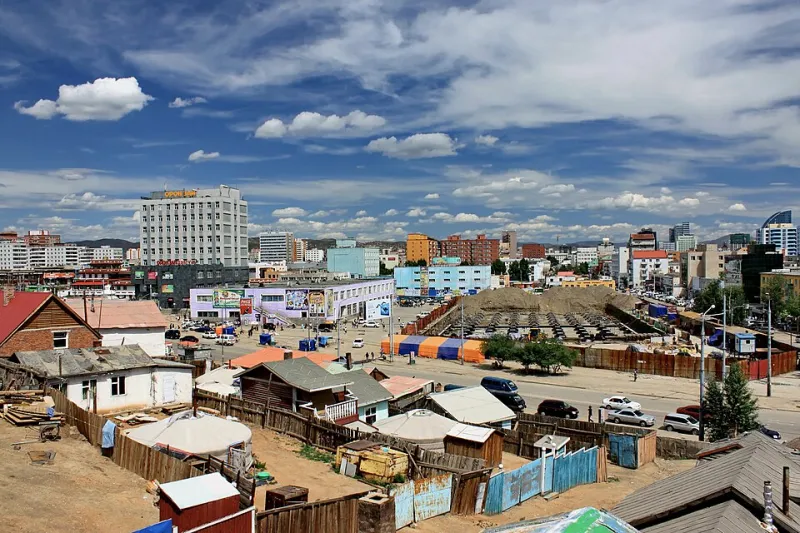
Ulaanbaatar doesn't show up on many lists of the world's great startup cities. You're more likely to see Singapore, Tallinn, or Nairobi. But spend a few weeks in Mongolia's capital and you start to notice something: there's a genuine hunger here. Young Mongolians are building fintech tools, agri-tech platforms, and e-commerce solutions for a market that's still largely underserved — and a small but growing number of American entrepreneurs are paying attention.
If you're thinking about planting your flag in UB, the excitement is warranted. But so is a healthy dose of realism. The infrastructure is patchy, the bureaucracy can be exhausting, and the language barrier is real. What follows is a practical breakdown of what you're actually getting into — visas, registration, funding, and all the stuff the glossy startup blogs leave out.
Getting In: What Visa Do You Actually Need?
American citizens can enter Mongolia visa-free for up to 30 days, which is a solid runway for an initial scouting trip. If you're planning to stay longer — and you probably will be — you'll need to sort out longer-term legal status before that window closes.
Mongolia doesn't currently offer a dedicated "startup visa" in the way Estonia or Portugal do, so don't let the headline fool you into thinking there's a simple one-stop-shop solution. What does exist is a range of business and investor visa pathways that, with the right setup, can get you to a legal long-term residency.
The most common route for foreign entrepreneurs is registering a company in Mongolia and then applying for a business visa (Type D) based on that registration. Once your company is officially on the books, you can apply for a residency permit through the General Authority for Border Protection. Plan for this process to take several weeks and involve a fair amount of paperwork — ideally with a local legal advisor in your corner.
Some founders also explore the investor visa route, which requires demonstrating a minimum capital investment. The thresholds have shifted over the years, so get current figures directly from the Mongolian Embassy in Washington, D.C., or work with a local law firm to confirm what applies to your situation.
Registering Your Business: Slower Than You'd Like, Doable With Help
Mongolia has made genuine strides in simplifying its business registration process, and the country now ranks reasonably well on the World Bank's ease of doing business metrics for the region. That said, "simplified" is relative.
Foreigners can register a Limited Liability Company (LLC) — known locally as an ХХК (Khyzgaarlагдсан Хариуцлагатай Компани) — through the General Authority for State Registration. You'll need a registered local address, a Mongolian bank account, and a minimum authorized capital. The whole process can theoretically be completed in a few days, but in practice, translation requirements, notarization, and banking setup often stretch it out to a few weeks.
Here's the practical advice most guides skip: hire a local fixer or business consultant for this phase. Not because it's impossible to do alone, but because the time you'll lose navigating bureaucratic nuances in a country where you don't speak the language is time you could spend actually building your product. Several UB-based law firms specifically cater to foreign entrepreneurs and are accustomed to working with English-speaking clients.
Funding: What's Actually Out There
This is where the picture gets both exciting and sobering. The Mongolian startup ecosystem is young, which means venture capital is limited compared to what American founders are used to. Don't expect a robust Series A landscape. What you will find is a small but active early-stage scene.
The Mongolian Startup Ecosystem has a handful of accelerator programs worth knowing about. iHub Mongolia, one of the country's more established tech incubators, has supported local and foreign founders with workspace, mentorship, and connections to local investors. The National University of Mongolia and several private universities also run entrepreneurship programs that can serve as useful networking entry points.
For funding itself, many foreign founders in UB pursue a bootstrapped or hybrid model — using capital raised back home to fund early operations while building local revenue. Mongolia's operating costs are significantly lower than major US cities, so your runway stretches further here. Office space, local talent, and even legal fees are a fraction of what you'd pay in, say, Austin or Denver.
There's also growing interest from international development organizations — including various UN agencies and Asian Development Bank-affiliated programs — in supporting innovation in frontier markets like Mongolia. If your venture has a social impact angle, those funding channels are worth exploring seriously.
The Actual Advantages Nobody Talks About Enough
Beyond the logistics, there are some genuinely compelling reasons to consider Ulaanbaatar as a launchpad — especially if your business has regional ambitions.
Mongolia sits between Russia and China, two of the world's largest economies. For founders building products with cross-border trade, logistics, or natural resource applications, that geography matters. The country is also rich in minerals and agricultural output, and the tech infrastructure to support those industries is still being built — which means opportunity.
The local talent pool is smaller than in major Asian tech hubs, but Mongolian developers and engineers are often highly educated, underutilized, and significantly less expensive to hire than their counterparts in Seoul or Beijing. Several American founders who've spent time in UB report being pleasantly surprised by the quality of local engineering talent.
And then there's the intangible stuff. Ulaanbaatar is a city that rewards people who show up with genuine curiosity and respect. If you're not just parachuting in to extract value but actually building something that serves the local market, you'll find doors open in ways that don't happen in more saturated startup environments.
The Honest Challenges
Let's not sugarcoat it. Air quality in UB is among the worst of any capital city in the world during winter months, and that affects quality of life in a real way. Infrastructure — from reliable internet in certain districts to consistent utilities — can be inconsistent. Banking and payment systems, while improving, are still behind what American entrepreneurs are used to.
The language gap is significant. Mongolian is not an easy language to pick up, and while English proficiency is growing among younger urban professionals, it's far from universal. Building a team, negotiating contracts, and even navigating daily life will be easier with a trusted local partner or co-founder.
Cultural context also matters. Business relationships in Mongolia are often built on personal trust before professional transactions. Rushing into deals without taking time to build genuine rapport is a common mistake foreign entrepreneurs make — and it tends to backfire.
Before You Book That Flight
If Ulaanbaatar is genuinely on your radar as a place to build something, the best first step is a two-to-three week exploratory trip. Attend a local meetup, visit iHub, talk to expat founders who've already navigated the setup process, and spend time in the city with real intention.
Mongolia rewards the curious and the committed. It's not the easiest place to build a business, but it might be one of the more interesting ones — and right now, the competition is still pretty thin.