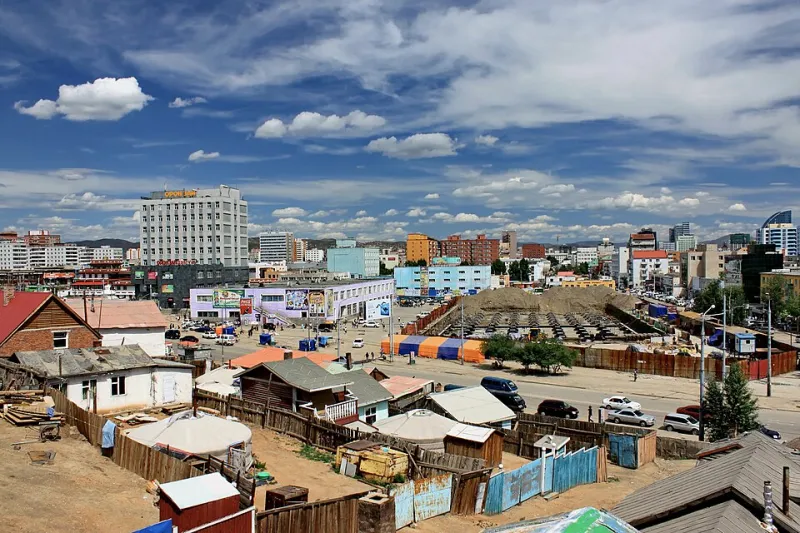
Cashmere Smarter: The Savvy Traveler's Guide to Buying Mongolian Wool in Ulaanbaatar
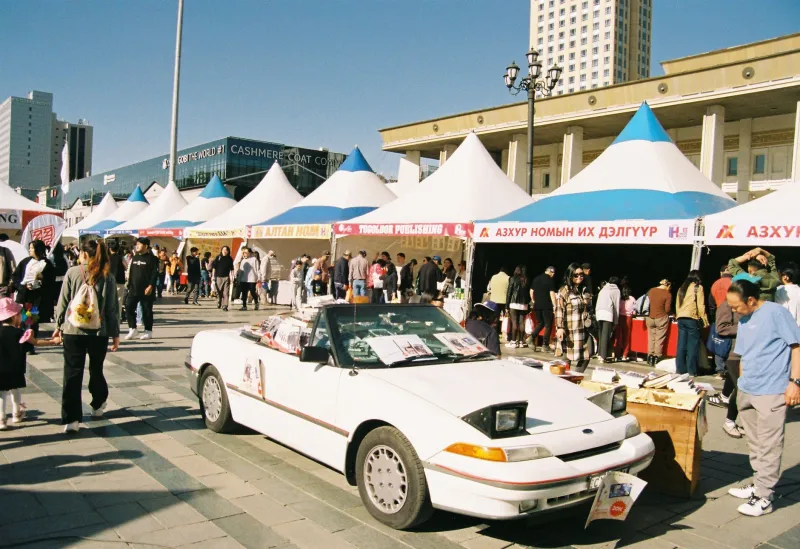
Let's be honest: the moment most Americans land in Ulaanbaatar, cashmere is on the shopping list. And why wouldn't it be? Mongolia produces roughly 40% of the world's raw cashmere supply, and you can snag a scarf here for a fraction of what Nordstrom charges back home. But here's the thing nobody tells you before you wander into the Narantuul market with a fistful of tögrög — not all cashmere is created equal, and not all sellers are playing it straight.
This guide is your cheat sheet. Whether you're eyeing a buttery-soft sweater or a full blanket to haul home in your checked bag, knowing what to look for, where to shop, and who your money is actually supporting will make all the difference.
Why Cashmere Is More Than Just a Luxury Fiber Here
To understand the cashmere market in Ulaanbaatar, you first need to appreciate what it means to Mongolians. Cashmere comes from Mongolian goats — specifically the fine undercoat that herders comb out by hand each spring during a process that's as labor-intensive as it sounds. For the country's roughly 200,000 nomadic and semi-nomadic herding families, cashmere isn't a fashion statement. It's a lifeline.
The fiber travels a long road from the Mongolian steppe to the shop floor. Herders sell raw cashmere to middlemen or cooperatives, who then pass it to processors, spinners, weavers, and finally retailers. That supply chain matters enormously when it comes to price — and ethics. A $10 cashmere scarf sounds like a steal until you consider that someone at the very bottom of that chain may have been squeezed hard to make that price point work.
The Real vs. the Fake: How to Tell the Difference
Here's the uncomfortable truth: synthetic blends and low-grade wool products are regularly sold as "cashmere" at markets and tourist-heavy shops. It's not unique to Mongolia — this happens globally — but it's especially common in high-traffic areas where vendors know buyers are unlikely to complain from 6,000 miles away.
So how do you spot the real thing?
The burn test is the gold standard. Pull a few fibers from a seam (ask permission first, or do it discreetly on a product you're seriously considering). Burn them with a lighter. Genuine cashmere smells like burning hair, forms a soft ash, and extinguishes quickly. Synthetic fibers melt, smell like chemicals, and may leave a hard bead.
The touch test matters too, though it takes practice. Real cashmere feels extraordinarily soft and has a slight warmth to it even before you put it on. It also pills a little — that's actually a sign of authenticity, not poor quality. Suspiciously smooth, pill-free fabric is often a red flag for synthetics.
Check the label. Legitimate producers like Gobi, Goyo, and Buyan will clearly list fiber content. "100% cashmere" should mean exactly that. If a label is missing, vague, or written only in a language you can't read, proceed cautiously.
Where to Shop: Picking Your Battlefield
Ulaanbaatar's cashmere retail landscape breaks down into three main categories, each with its own risk-reward profile.
The Narantuul Market (aka the Black Market) is the city's massive open-air bazaar, and it's an experience you shouldn't miss — just go in with eyes wide open. You'll find everything from raw fiber to finished garments at prices that seem almost impossibly low. That's because some of it is blended, mislabeled, or second-quality. Bargaining is expected and part of the fun, but don't assume a lower price means a better deal. Bring your burn test knowledge.
Brand-name retail shops along Peace Avenue and in the State Department Store offer a safer bet if authenticity is your top priority. Gobi Cashmere is arguably the most recognized name — it's been around since 1981, sources directly from Mongolian herders, and sells internationally. Prices are higher than the market, but you're paying for traceability and quality assurance. Think of it like buying wine at a reputable shop versus a gas station.
Cooperative and artisan shops are the hidden gems. Organizations like the Mongolian Artisans Cooperative and various NGO-supported outlets sell directly on behalf of herding communities, meaning more of your money reaches the people who actually raised the goats. Ask your hotel concierge or check with the Ulaanbaatar Tourism Office for current recommendations — these shops move around and new ones pop up regularly.
Negotiating Without Being Obnoxious About It
Bargaining is culturally embedded in Mongolian market culture, but there's a line between smart negotiation and just being cheap in a way that undercuts the people you're buying from. A few ground rules:
- Start at about 70-75% of the asking price, not 30%. Lowball offers can come across as disrespectful.
- Be willing to walk away — and mean it. Vendors at Narantuul often have more flexibility than they initially show.
- Don't negotiate at fixed-price stores. Gobi's retail locations have set prices for a reason. Trying to haggle there is the equivalent of negotiating at the Gap.
- Bundle purchases. Buying three scarves instead of one gives you legitimate leverage to ask for a small discount.
Supporting Ethical Producers: A Few Questions Worth Asking
If you want your shopping dollars to do more than just fill your suitcase, ask vendors a few pointed questions: Where does the cashmere come from? Which region's herders supplied it? Is the product certified by any third-party organization?
The Sustainable Fibre Alliance (SFA) has been working with Mongolian producers to establish responsible grazing and fair-trade practices. Look for their certification logo, or ask if a brand participates in their program. It won't appear on every product, but when it does, it's a meaningful signal.
Some travelers also choose to visit cooperatives or herding communities on day trips outside the city — a worthwhile experience that adds real context to what you're buying. Seeing a herder comb a goat by hand and then walking into a shop to buy the finished scarf hits differently.
What to Actually Buy (and What to Skip)
Scarves and wraps are the sweet spot for most visitors — lightweight, easy to pack, and genuinely useful back home. A good-quality cashmere scarf from a reputable shop should run you anywhere from $25 to $80 depending on weight and grade.
Sweaters are worth it if you're buying quality. Cheap sweaters are where blended fibers hide most easily, so spend a little more here. Blankets are luxurious but heavy — factor in luggage weight before you commit.
Avoid pre-packaged "souvenir" cashmere sets that look like they were designed for airport gift shops. They usually were, metaphorically speaking, and the quality rarely justifies the price.
The Bottom Line
Ulaanbaatar's cashmere market is genuinely one of the best shopping opportunities you'll find anywhere in the world — but only if you go in prepared. Do the burn test. Know your shops. Ask where the fiber comes from. Negotiate respectfully. And spend a little more than the absolute minimum if you can, because somewhere out on the steppe, a herder spent a cold spring morning making the thing you're about to stuff in your carry-on.
That context doesn't make cashmere less of a bargain here. It just makes it worth something more.