Your Body Is Going to Freak Out in Ulaanbaatar — Here's How to Make Peace With It
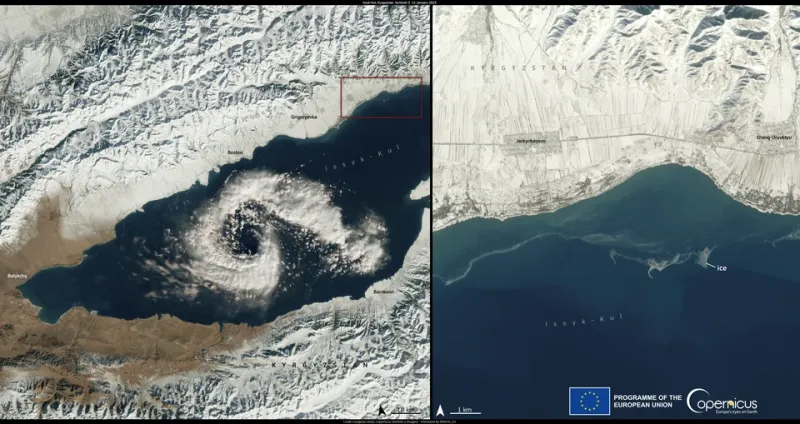
Photo: European Union, Copernicus Sentinel-2 imagery, Attribution, via Wikimedia Commons
Let's be upfront about something: Ulaanbaatar is not a city that coddles its visitors. Most Americans stepping off a long-haul flight into Chinggis Khaan International Airport are expecting culture shock — the unfamiliar alphabet, the throat-singing, the fermented mare's milk someone will definitely pressure you to try. What they're not expecting is for their own body to immediately stage a protest.
And yet, here we are.
From the altitude that makes your head pound before you've even grabbed your luggage, to winters so extreme that -40°F stops being a number and starts being a philosophy, Ulaanbaatar's climate is genuinely unlike anything most Americans have experienced. The good news? People survive it every day. The better news? With a little prep and a lot of honesty about what's coming, you can do more than survive — you can actually enjoy yourself.
The Altitude Nobody Warns You About
Ulaanbaatar sits at roughly 4,430 feet above sea level. That's not Everest base camp, but it's also not Denver-lite either. For travelers flying in from coastal cities like New York, Miami, or LA — where sea level is, well, the whole vibe — the drop in oxygen availability is real and immediate.
Expect headaches within the first 24 hours. Some people get them mildly; others feel like they've been hit with a shovel. Fatigue hits differently up here, too. That nap you planned to shake off jet lag? It might stretch into something longer and still leave you groggy. Nausea, dizziness, and shortness of breath during light activity are all on the table.
"I thought I was getting sick on day one," says Jamie, a travel blogger from Portland who visited UB twice. "Turns out my body just needed two or three days to recalibrate. Once I stopped pushing through it and actually rested, everything evened out."
The standard advice applies here: hydrate aggressively, avoid alcohol for the first 48 hours (yes, really), skip intense physical activity early on, and give yourself permission to take it slow. If symptoms feel severe or don't ease up after a few days, see a doctor — acute altitude sickness is rare at this elevation but not impossible.
The Dryness Is Its Own Special Problem
Ulaanbaatar is one of the driest capital cities on the planet. The continental climate squeezes most of the moisture out of the air, and winter heating systems do the rest. What you're left with is an environment that will absolutely wreck your skin, sinuses, and throat if you're not proactive.
Nosebleeds are embarrassingly common among new arrivals, especially in winter. Your lips will crack. Your eyes will feel like sandpaper. Your throat will feel scratchy in a way that makes you convinced you've caught something, even when you haven't.
The fix is unsexy but effective: drink far more water than feels necessary, run a humidifier in your hotel room if you can get one, and invest in a decent nasal saline spray. Lip balm and heavy-duty moisturizer aren't luxuries here — they're infrastructure. Expats who've been in UB for years will tell you this stuff becomes second nature, but the first week or two can feel like your face is staging a revolt.
-40°F: When Cold Becomes a Psychological Event
Ulaanbaatar holds the record as the coldest capital city in the world, and it earns that title with enthusiasm. Winter temperatures regularly dip to -20°F, and extreme cold snaps can push well past -40°F — the point at which Fahrenheit and Celsius converge in mutual misery.
Here's what most packing guides don't tell you: extreme cold isn't just a physical challenge. It's a mental one. After a few days of not being able to spend more than ten minutes outside without serious discomfort, the psychological weight of it accumulates. You start structuring your entire day around warmth. You think twice before leaving the building. The city can start to feel smaller.
Seasonal depression is a real factor for long-term visitors and expats, amplified by UB's notorious winter air pollution — a combination of coal heating and vehicle emissions that blankets the city in thick smog during the coldest months. The sun disappears behind a gray haze, daylight hours shrink, and the combination can genuinely affect your mood in ways that catch you off guard.
If you're visiting in winter, build warmth into your itinerary intentionally. Mongolian hot pot restaurants, tea houses, and the many excellent indoor cultural venues become more than tourist stops — they become mental resets. Locals have been navigating this for generations, and leaning into the indoor culture of the city is how you make winter feel livable rather than punishing.
For gear: think in layers, but also think in quality. A good base layer, a serious mid-layer, and a windproof outer shell rated for extreme cold are non-negotiable. Cover your face. Protect your extremities. Frostbite is not a dramatic overreaction to worry about — it's a genuine risk during extreme cold snaps.
Summer Isn't Off the Hook Either
Winter gets all the press, but summer in Ulaanbaatar brings its own body-related surprises. Temperatures can swing dramatically between day and night — a sunny afternoon in the 80s can drop to the 40s after dark. The UV index at this altitude and latitude is higher than most Americans expect, meaning sunburn happens faster than it would back home.
The dust is also a factor. UB's rapid urban growth has left plenty of unpaved and poorly maintained roads, and dry summer winds kick up grit that irritates eyes and lungs. If you have any respiratory sensitivities, bring appropriate protection and pay attention to air quality readings on days when it's particularly bad.
The Mental Game of Adjusting
Maybe the most underrated part of the UB climate experience is giving yourself permission to feel off. Americans, in particular, tend to travel with a certain "push through it" mentality — you've paid for this trip, you've flown this far, you should be out experiencing everything on day one.
Every expat and frequent traveler we've spoken with says the same thing: the visitors who adjust best are the ones who build in a proper acclimatization day, don't fight the fatigue, and treat the first 48 hours as a gentle onboarding process rather than wasted time.
Ulaanbaatar rewards patience. The city has a lot to offer, and it'll still be there once your sinuses stop complaining and your legs remember how to work at altitude. Slow down, drink your water, and trust that your body will catch up.
Because once it does? This place is absolutely worth every bit of the adjustment.