Point, Shoot, Respect: A Photographer's Field Guide to Ulaanbaatar
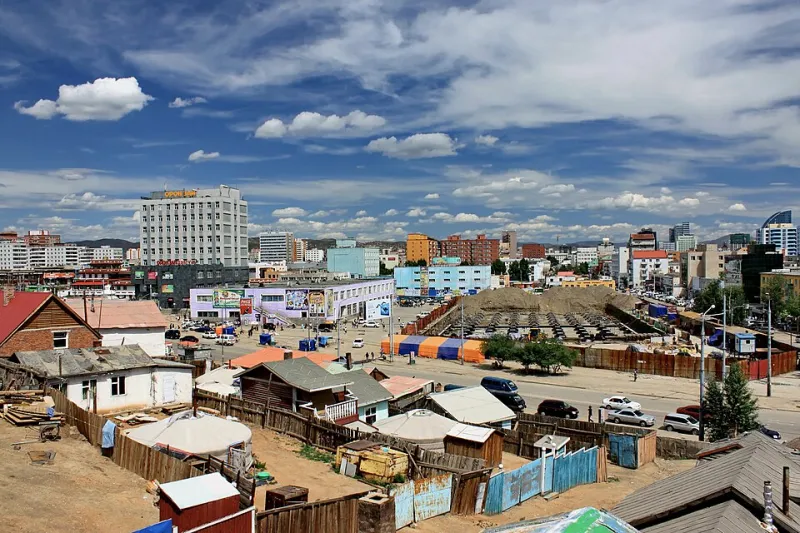
Photo: Marcin Konsek, CC BY-SA 4.0, via Wikimedia Commons
Let's be honest — Ulaanbaatar doesn't look like any city you've photographed before. It's not the rolling steppe you imagined, and it's not a polished Asian metropolis either. It's a layered, contradictory, genuinely fascinating place where Soviet concrete sits next to gilded temple rooftops, and where a nomad in a traditional deel might be checking his phone three feet from a glass skyscraper. That tension? That's your subject. Here's how to capture it without being a jerk about it.
Golden Hour Is Non-Negotiable — Know Where to Be
Ulaanbaatar sits at roughly 4,400 feet above sea level, and the high-altitude atmosphere does something magical to light during the hour after sunrise and before sunset. The city goes from harsh and flat to genuinely cinematic in about fifteen minutes. Don't waste it standing in Sukhbaatar Square.
Instead, get yourself up to Zaisan Memorial on the southern edge of the city. The hilltop monument — a circular Soviet-era mosaic honoring Mongolian-Soviet friendship — gives you an unobstructed 360-degree view of the entire Ulaanbaatar valley. At golden hour, the smog that plagues the city in winter actually works in your favor, diffusing the light and turning the skyline amber and copper. It's one of those rare cases where air quality problems accidentally create art.
For a different angle, try the hills above the Gandan Monastery complex in the early morning. You'll catch monks moving through their routines while the city below is still waking up, with prayer flags catching the first light. It's a 10-15 minute walk uphill from the monastery gates and worth every step.
If you're staying in a mid-range or upscale hotel with upper floors, don't overlook your own window. The city grid runs roughly east-west, which means east-facing rooms get stunning sunrise light directly into the urban canyon below.
Architecture Worth Your Wide-Angle Lens
People fixate on Mongolia's natural landscapes and forget that Ulaanbaatar itself is architecturally bizarre in the best way. You've got three or four distinct eras crammed into the same city blocks, and shooting the contrast is genuinely rewarding.
The Government Palace on Sukhbaatar Square is the obvious choice, and obvious for good reason — the neoclassical columns backed by Chinggis Khan's imposing statue make for a powerful composition, especially when there's foot traffic in the foreground. Shoot from the south side of the square with a moderate telephoto lens to compress the space and make the monument feel monolithic.
For something less visited, wander the streets around Peace Avenue (Enkh Taivny Orgon Choloo) and look up. The Soviet-era apartment blocks have a repetitive brutalism that rewards abstract composition — look for patterns in windows, stairwell openings, and the occasional rusting balcony railing. These aren't glamorous shots, but they tell a more honest story about what Ulaanbaatar actually is.
The Bogd Khan Winter Palace Museum in the southern part of the city is a hidden gem for architectural photography. The compound mixes Mongolian, Tibetan, and Chinese architectural styles across several buildings, and the painted wooden details on the gates are extraordinary up close. A macro or 50mm lens earns its keep here.
Street Photography: The Ethics Come First
This is where a lot of visitors go wrong, and it's worth slowing down to talk about it.
Mongolians are generally not a demonstratively expressive culture in public spaces. Pointing a camera at someone without acknowledgment — the classic "shoot from the hip" street photography move — can come across as invasive and disrespectful in ways it might not in, say, New York City. This is especially true with older Mongolians and anyone in traditional dress.
The good news: a smile and a gesture toward your camera is almost universally understood, and Mongolians are frequently willing to be photographed when asked. You don't need to speak the language. Mime it. Smile. Wait for a nod. If you get a head shake, move on gracefully and don't take it personally.
Narantuul Market (called the Black Market, though it's entirely legitimate) is one of the most visually rich places in the city — stalls of cashmere, livestock equipment, Soviet-era tools, and everything in between. It's also a place where vendors are working, not performing for tourists. Ask before you shoot, and if someone seems uncomfortable after they've agreed, stop. The market is also a pickpocket hotspot, so this is genuinely not the place to be waving a $3,000 mirrorless camera around on a strap. A smaller point-and-shoot or your phone will get you 80% of the shots with 20% of the risk.
Near the Gandan Monastery, you'll encounter pilgrims completing prostration circuits and monks in formal robes. Treat this the same way you'd treat photography inside a church — with quiet restraint. Wide establishing shots are generally fine. Close-up faces during active prayer are not.
Technical Challenges: Dealing With Extreme Conditions
Ulaanbaatar is one of the coldest capital cities on the planet. If you're visiting between November and March, your gear is going to face conditions it may not be rated for.
Battery life tanks in the cold. Lithium batteries lose a significant percentage of their capacity below freezing, and Ulaanbaatar winters regularly hit -20°F or colder. Carry at least two spare batteries kept warm in an inner jacket pocket, rotating them out as the active battery drains. Hand warmers in your camera bag aren't overkill.
Condensation is your enemy. Moving from the extreme cold outside to a heated indoor space causes instant condensation on lenses and sensors. Give your camera at least 20-30 minutes inside a sealed bag before you open it up — this lets it acclimate gradually rather than fogging immediately.
Summer brings its own issues. July and August mean intense high-altitude sun with very little atmospheric filtering. A circular polarizing filter is worth its weight in gold for cutting glare off the glass buildings downtown and deepening the blue of the sky above the city. Shoot during golden hours and embrace the midday light for architecture rather than fighting it for portraits.
Dust and wind are constants in spring. Lens changes should happen inside or with your back to the wind whenever possible.
When to Leave the Expensive Gear at Home
Straight talk: there are situations in Ulaanbaatar where a full camera kit makes you a target and makes locals uncomfortable. Crowded markets, late-night entertainment districts, and any situation where you're already unsure of your surroundings are all cases where your phone camera is the smarter tool.
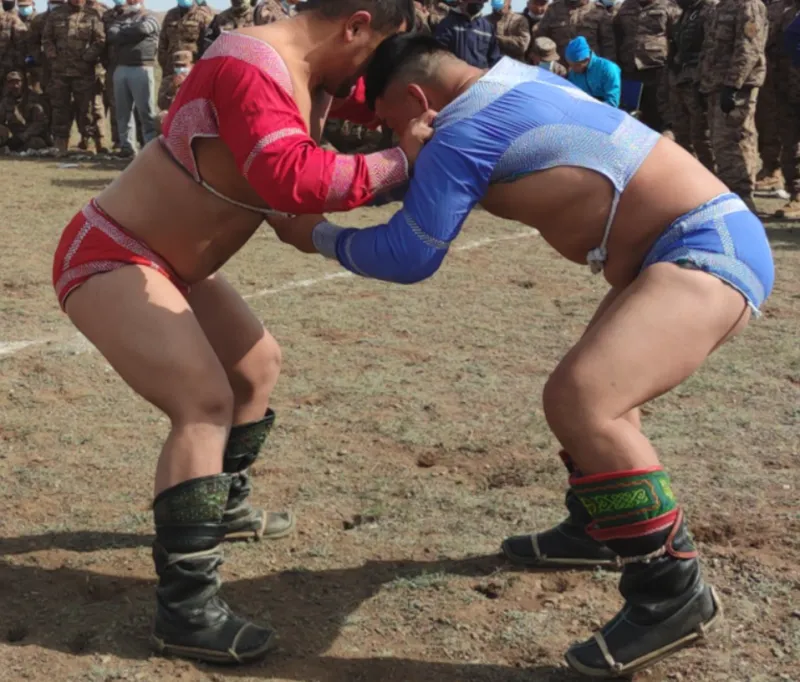
For the Naadam Festival in July — arguably the single most photographically spectacular event in the country — bring everything you've got. The archery, wrestling, and horse racing events are designed to be witnessed, and photography is expected and welcomed. A 70-200mm telephoto is your best friend at the stadium events.
For casual city wandering, honestly? A mirrorless with a single 35mm or 50mm prime lens is all you need. It's less intimidating to the people around you, lighter on your neck, and forces you to actually compose thoughtfully rather than spraying and praying.
Ulaanbaatar rewards the photographer who pays attention. Slow down, look for the details between the obvious shots, and treat the people in your frame like people — not props. Do that, and you'll come home with a portfolio that most people have never seen.