Why Mongolian Kindness Might Catch You Completely Off Guard
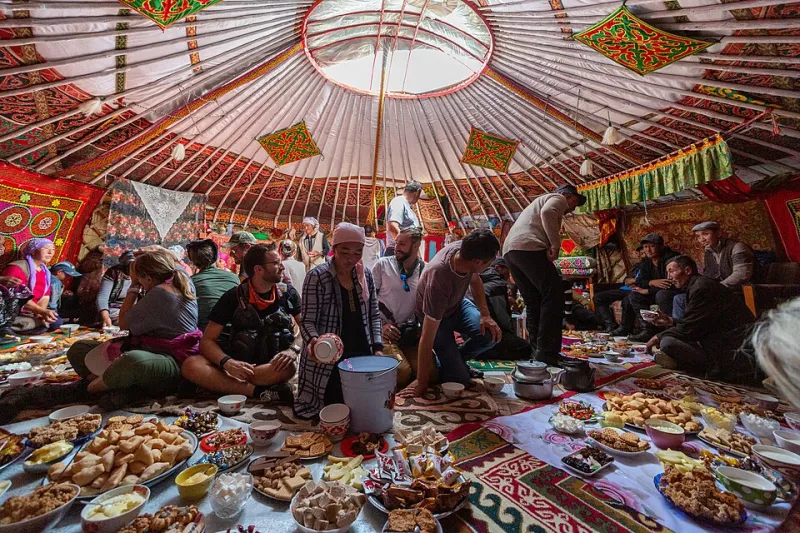
Photo: Bfreeproductions, CC BY-SA 4.0, via Wikimedia Commons
You're sitting in a small restaurant in Ulaanbaatar, minding your business over a bowl of tsuivan, and the family at the next table sends over food you didn't order. Or a stranger on the street notices you looking confused at a bus map, spends twenty minutes walking you to your destination, and then disappears before you can offer anything in return. Or someone invites you — a person they met forty minutes ago — to their home for dinner.
If any of these scenarios make you slightly uncomfortable, you're not alone. Americans have a pretty specific cultural script around hospitality, and Mongolian hospitality runs on a completely different operating system. Here's what's actually happening, and how to navigate it without accidentally insulting anyone or getting yourself into a situation you didn't sign up for.
Hospitality as Survival, Not Just Courtesy
To understand why Mongolians treat guests the way they do, you have to understand where the tradition comes from. For centuries, nomadic life on the steppe meant that a traveler arriving at your ger could be days from the nearest settlement, cold, hungry, and without shelter. Turning someone away wasn't just rude — in a hard winter, it could be a death sentence.
That context is baked into Mongolian culture at a deep level. The concept of zochlokhui — roughly translated as hosting or receiving guests — isn't a social nicety performed for appearances. It's a moral obligation, a point of genuine pride, and a reflection of a family's character. When a Mongolian invites you in, they're not being performatively generous. They're expressing something close to a core identity value.
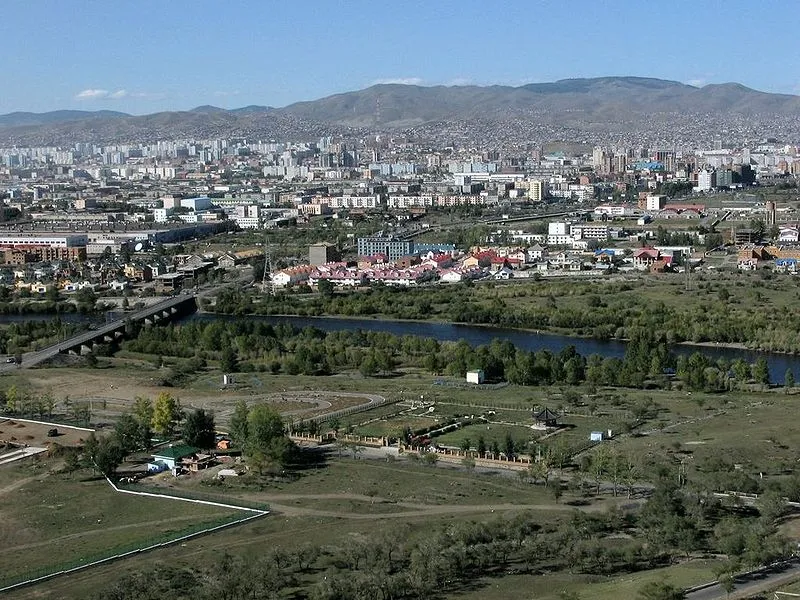
This doesn't mean every interaction is weighted with ancient significance. Modern Ulaanbaatar is a fast-paced city of nearly 1.5 million people, and most daily interactions are as transactional as anywhere else. But the underlying current of hospitality surfaces in ways that can genuinely surprise visitors from the US, where friendliness toward strangers is often treated with some baseline suspicion.
What Happens When You're Invited In
If you're lucky enough to visit a traditional ger — either in the countryside outside the city or in one of Ulaanbaatar's ger districts — there's a loose protocol worth knowing.
Enter correctly. Step over the threshold with your right foot first. It's a small thing, but it matters. Don't lean against the central support columns or step on the threshold itself.
Accept what's offered. Your host will almost certainly offer tea — suutei tsai, a salted milk tea that tastes nothing like what you're expecting. Accept it with both hands, or with your right hand supported at the elbow by your left. Take at least a small sip. You don't have to finish it, but refusing entirely reads as rejecting the hospitality itself, not just the beverage. If you have dietary restrictions, a polite taste and a gracious explanation usually lands fine.
Food will follow. Dried curd (aaruul), biscuits, and various dairy products are standard offerings. Again, try something. The expectation isn't that you'll clean the plate — it's that you'll participate in the ritual of sharing.
Don't rush. American social time is often goal-oriented. We meet, we accomplish the social purpose of the meeting, we leave. Mongolian hospitality moves at a different pace. Sitting, talking (even haltingly across a language barrier), and simply being present together is the point. Checking your phone repeatedly or visibly watching the clock will read as disrespectful even if you don't mean it that way.
The Gift Economy and How Not to Misread It
Monetary exchange is rarely the appropriate response to Mongolian hospitality, and this is where Americans sometimes make well-intentioned mistakes. If someone feeds you, houses you, or goes significantly out of their way to help you, pulling out cash to pay them can come across as transactional in a way that misses the point entirely — as if you're settling a debt rather than accepting a human gesture.
The better move is reciprocity in kind. Bring something if you're visiting someone's home — a box of sweets, fruit, or a small gift from your home country goes a long way. Framed photos sent after the trip are genuinely cherished. If you're staying with a family through a homestay program, contributing to a shared meal by helping cook or clean is more meaningful than handing over extra cash (though paying what you agreed to pay is obviously expected).
For brief interactions — someone who helps you navigate the city, a shopkeeper who goes out of their way — a warm, genuine thank you and sustained eye contact communicates appreciation far more effectively than reaching for your wallet.
Navigating Invitations You're Not Sure About
Here's the honest part: not every invitation from a stranger is something you should accept, and part of traveling smartly is knowing the difference between genuine hospitality and situations that feel off.
For the most part, Mongolians who invite tourists into their homes or social circles are doing exactly what they appear to be doing — extending genuine warmth. The country has a low violent crime rate, and Ulaanbaatar's international tourism community is well-established enough that locals have experience with foreign visitors.
That said, trust your instincts. An invitation from a family you've had a real conversation with, or from someone connected to a guesthouse or tour operator, is almost certainly genuine. An invitation from someone who approached you very aggressively in a tourist area and is now pressing you to come to a specific bar or shop deserves more scrutiny — tourist-targeted scams do exist, and they often use the veneer of hospitality as an opener.
If you want to decline a genuine invitation gracefully, do it warmly and with an explanation. "I have plans tonight but I'm so grateful" lands much better than a flat no. Mongolians won't push hard if you decline respectfully — the hospitality is offered freely, not as a transaction that requires your compliance.
Friendship Here Moves Fast — Let It
One last thing that catches Americans off guard: the timeline of Mongolian friendship is compressed compared to what most of us are used to. Someone you've known for two hours might introduce you to their family, share personal stories, or express genuine affection in ways that feel premature by American standards.
Resist the urge to match their energy with American emotional reserve. You don't have to perform a closeness you don't feel, but meeting warmth with warmth — laughing together, sharing something real about yourself, showing curiosity about their life — will create connections that last beyond your trip in ways that polite, guarded tourism never does.
Ulaanbaatar can feel overwhelming and unfamiliar at first. But the people who live here have a long tradition of making strangers feel like they belong. Let them. You might be surprised how quickly this city starts to feel like somewhere you actually know.