Off the Beaten Path: The Ulaanbaatar Neighborhoods That Actually Tell the City's Story
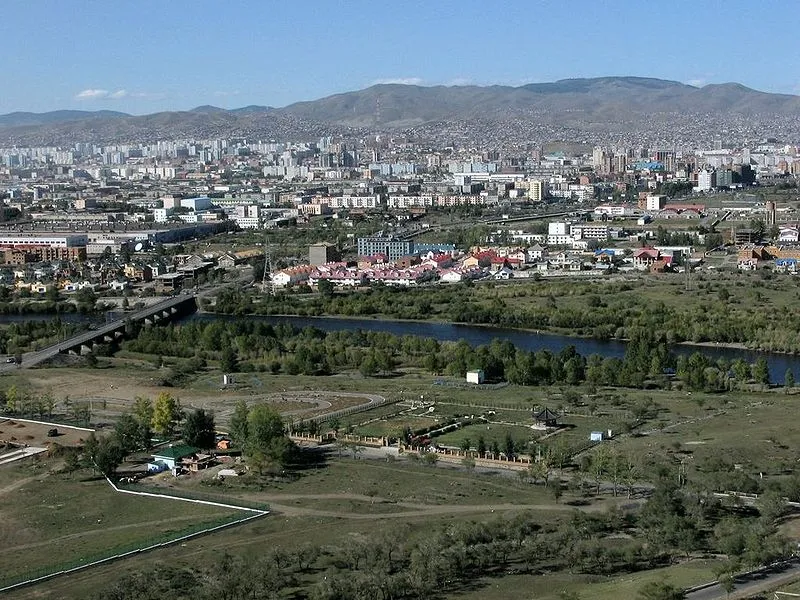
Photo: ebrdarab, CC BY-SA 3.0, via Wikimedia Commons
Most visitors to Ulaanbaatar spend their time bouncing between Sukhbaatar Square and the State Department Store, and honestly, that's fine — but it's barely scratching the surface. The city's real personality lives in its quieter districts, where artists are converting Soviet-era buildings into studios, street food vendors have fed the same regulars for decades, and you can actually feel the city breathing. Here's where to go when you're ready to wander beyond the postcard version.
Why Most Tourists Miss the Good Stuff
Ulaanbaatar is a city of contradictions. It's a place where a ger district — thousands of traditional felt tents arranged across hillsides — sits within eyeshot of glass-and-steel towers. Where Buddhist monks share sidewalks with teenagers in Supreme hoodies. The tourist infrastructure, while improving, still funnels most visitors through a fairly narrow corridor of "approved" attractions. That's not a criticism — it's just the reality of how young UB's tourism scene still is.
The neighborhoods listed here aren't dangerous or off-limits. They're simply the places where locals actually live, work, and create. Showing up with curiosity and basic respect goes a long way.
Zaisan and the Southern Hills: Where Quiet Meets Creativity
Most people know Zaisan for its Soviet war memorial perched on a hilltop — and yes, that monument is worth the climb for the panoramic view of the city below. But the residential streets surrounding the memorial are a different story entirely. This is one of UB's more established residential pockets, and in recent years, a small but real creative scene has taken root here.
Independent coffee shops with handmade furniture, small galleries run by young Mongolian artists, and a handful of design studios have quietly opened along the streets near the base of the hill. The vibe is less "tourist attraction" and more "Saturday morning in a neighborhood you wish you lived in." Walk the side streets rather than sticking to the main road. Peek into any building with a handwritten sign — you might find a ceramics workshop or a pop-up clothing market.
Practical tip: Zaisan is easily reachable by taxi from the city center for a few dollars. Go in the morning on a weekend when locals are out and the light on the hills is genuinely beautiful.
Chingeltei District: The Ger Districts Up Close
If you want to understand Ulaanbaatar — really understand it — you need to spend at least an hour walking through one of the ger districts. Chingeltei, which stretches north and west of the city center, is one of the more accessible. These aren't museum exhibits. They're living, functioning communities where roughly half of UB's population actually resides.
The ger districts developed as rural Mongolians migrated to the capital over the past few decades, bringing nomadic housing traditions with them. What you'll see is a patchwork of traditional white gers alongside small wooden houses, connected by unpaved lanes, neighborhood shops selling everything from coal to instant noodles, and the occasional small temple or community center.
It sounds rough around the edges, and in some ways it is — infrastructure like running water and sewage is still inconsistent in many blocks. But there's also a strong sense of community here that you simply don't find in the city center apartments. Neighbors know each other. Kids play in the lanes between fences.
Practical tip: Don't wander into ger districts alone if it's your first time. A local guide — even just a bilingual friend or hotel staff member willing to walk with you — makes the experience richer and ensures you're not inadvertently wandering into someone's private yard. Always ask before photographing people or their homes.
Bayanzurkh: UB's Underrated East Side
Bayanzurkh district, sitting east of the city center, doesn't show up in many travel articles. That's exactly why it's worth your time. This is a working-class residential area with a dense network of local markets, small restaurants, and the kind of everyday commercial activity that makes a city feel real.
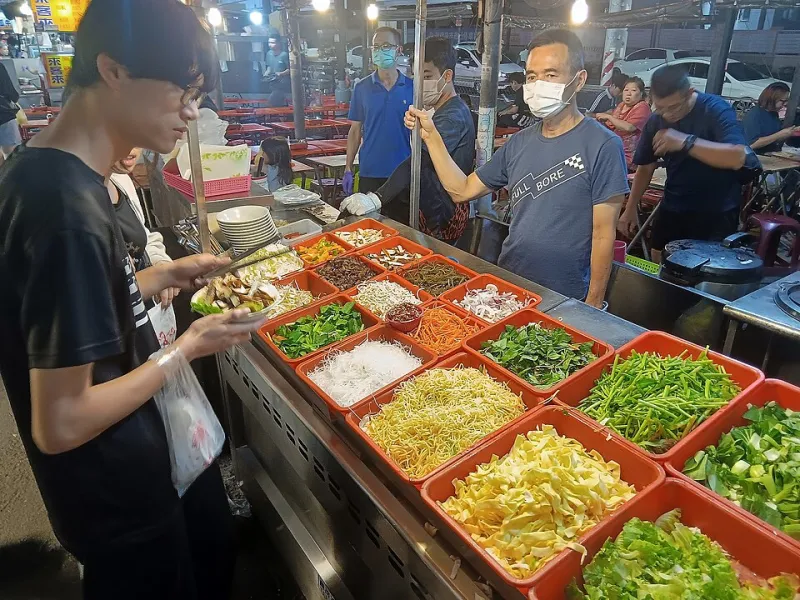
The Bayanzurkh market area is a particular highlight. It's not a tourist market — there are no cashmere scarves arranged for Instagram. What you'll find instead are vendors selling hardware, fresh produce, secondhand electronics, and local snacks. It's chaotic in the best way. The food stalls around the market perimeter serve some of the most honest Mongolian cooking in the city: buuz (steamed dumplings), tsuivan (stir-fried noodles), and soup that will cost you less than two dollars and taste like someone's grandmother made it.
Practical tip: Go hungry. Bring small bills (tögrög). Expect zero English signage and embrace it — pointing and smiling work fine.
The Emerging Arts Corridor Near Peace Avenue
Ulaanbaatar's Peace Avenue is the city's main commercial artery, but the blocks immediately north and south of it — particularly in the stretches between the city center and the western districts — have quietly become home to a loose cluster of artist-run spaces, independent bookshops, and small music venues.
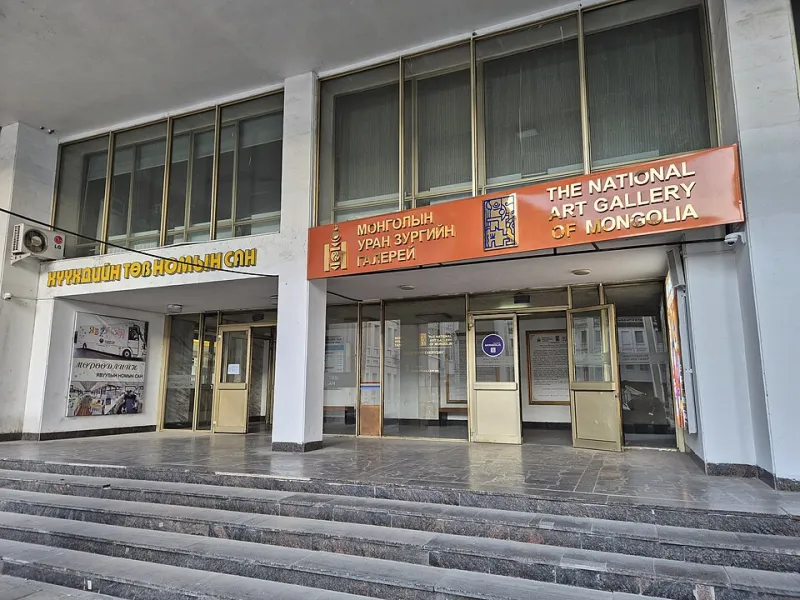
This isn't a formally designated arts district the way you might find in Brooklyn or Portland. It's more organic than that: a converted warehouse here, a basement gallery there, a coffee shop that doubles as an exhibition space. The scene is young, scrappy, and genuinely interesting. Mongolian contemporary art has been gaining international attention in recent years, and a lot of the work driving that attention is being made in studios just like these.
Check social media (Instagram in particular) for current exhibitions and pop-up events — the scene moves fast and schedules are informal.
A Few Ground Rules for Exploring
None of these neighborhoods require special preparation, but a little thoughtfulness goes a long way:
- Learn a few words in Mongolian. "Sain baina uu" (hello) and "bayarlalaa" (thank you) will earn you genuine warmth.
- Don't photograph people without asking. This is true everywhere, but especially in residential areas where people aren't expecting tourists.
- Carry cash. Card readers are increasingly common in the city center, but local shops and markets are still largely cash-only.
- Hire a local guide for ger district visits. Several UB-based tour operators offer community-focused walking tours that put money directly into the neighborhoods themselves.
The Ulaanbaatar that most visitors see is real — but it's the highlight reel. The neighborhoods described here are the full film. Messy, textured, and far more interesting.