Where Does Your Tourist Dollar Actually Go in Ulaanbaatar?
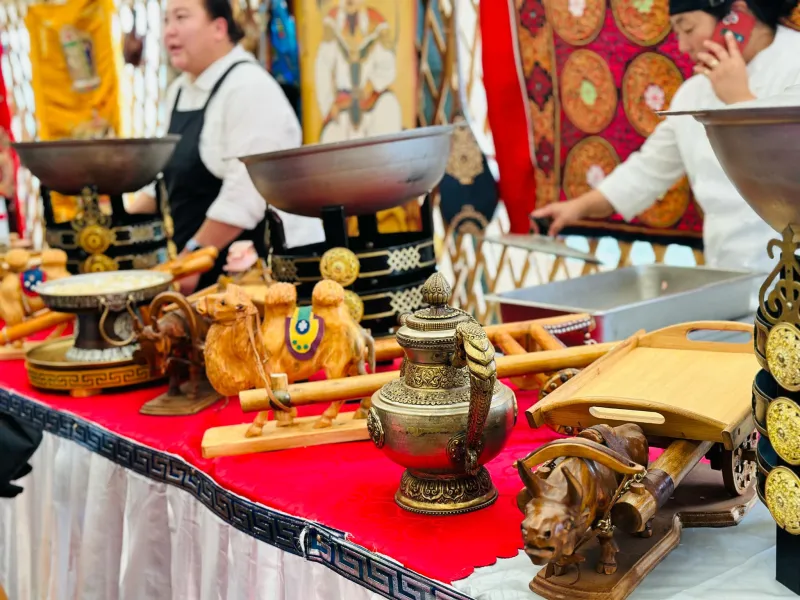
Photo: Mongolian market local artisan crafts Ulaanbaatar traditional goods, via bttctravel.mn
Tourism in Ulaanbaatar has grown considerably over the past decade. More Americans are making the trip, more tour operators are advertising Mongolia on social media, and the city's hospitality infrastructure has expanded to meet the demand. That's mostly good news — but it comes with a question that conscious travelers are increasingly asking: when you spend money here, who actually benefits?
It's not a cynical question. It's a practical one. The gap between "I spent money in this country" and "I supported this community" can be surprisingly wide, and Ulaanbaatar is no exception.
The Tourism Economy: A Quick Map
Mongolia's tourism industry has historically been dominated by a relatively small number of large operators, some of which are foreign-owned or foreign-partnered. Major international hotel chains, international booking platforms, and tour packages assembled abroad often mean that a significant portion of what you pay before you leave home never reaches a Mongolian business at all.
This isn't unique to Mongolia — it's a structural issue across the global tourism industry. But understanding it is the first step toward making different choices.
The businesses most likely to keep your money circulating locally are small and mid-sized: family-run guesthouses, independent restaurants serving Mongolian food, locally owned tour operations staffed by Mongolian guides, artisan markets where makers sell their own work, and cultural performance venues run by Mongolian cultural organizations.
The businesses least likely to maximize local benefit: large international hotel chains (even when physically located in UB), foreign-operated luxury tour packages, souvenir shops stocking mass-produced goods manufactured outside Mongolia, and booking intermediaries with no Mongolian ownership.
What Local Entrepreneurs Actually Say
Battsetseg runs a small guesthouse in the Sukhbaatar district that she opened six years ago after working as a translator for foreign tour groups. "I watched tourists spend a lot of money in Ulaanbaatar and I could see where it was going," she says. "The big hotels, the big operators — they have the marketing, the websites in English, the partnerships with travel agencies in America. Small places like mine are harder to find."
Her observation is echoed by others in the local hospitality industry. Visibility is a core problem. International booking platforms favor established, high-volume properties. Small Mongolian-owned businesses often lack the resources to optimize their digital presence in English, which means American travelers frequently don't encounter them during the planning stage.
Naraa, who runs a small craft business selling traditional Mongolian textiles and jewelry at the Narantuul Market and through her own workshop, puts it plainly: "When someone buys from me directly, I know exactly what that money does. It pays my rent, my staff, my suppliers — Mongolian suppliers. When someone buys a souvenir from a big shop, I honestly don't know where that goes."
The Ger Camp Question
For many visitors, a stay at a ger (traditional Mongolian yurt) camp outside the city is a highlight of the trip. These experiences range from authentically family-operated camps where you're genuinely staying with and supporting a Mongolian herding family, to large-scale commercial operations that use the ger aesthetic as a backdrop while being structured more like a resort.
How do you tell the difference? Ask directly. A locally operated family camp will typically be able to tell you exactly whose land you're on, who owns the business, and where the staff comes from. Larger commercial camps may be less specific. Tour operators based in Ulaanbaatar with Mongolian ownership are generally better positioned to connect you with genuine family-run experiences than operators booking from abroad.
This isn't about judging anyone's choice — a well-run commercial camp still employs Mongolian workers and pays Mongolian taxes. But if the authentic family experience is what you're after, it's worth asking the questions.
Cultural Tourism: Who's Telling the Story?
Ulaanbaatar has a growing range of cultural experiences aimed at tourists — traditional music performances, craft workshops, museum visits, cooking classes, and more. Here too, ownership and structure matter.
Cultural performances organized and operated by Mongolian artists and cultural organizations directly support the people doing the work. Some of these operate on thin margins and depend heavily on visitor attendance to sustain traditional art forms that are genuinely at risk of fading. Attending a throat-singing performance at a venue run by Mongolian musicians is categorically different from watching a brief cultural segment at a hotel show put together for tourist convenience.
Similarly, a cooking class run by a Mongolian home cook or culinary professional keeps the money and the cultural knowledge in the same place. The same experience packaged through a foreign-operated tour company may split the revenue in ways that leave the actual practitioner with a fraction of what you paid.
Practical Steps for Intentional Spending
None of this requires turning your vacation into a research project. A few consistent habits make a meaningful difference:
Book accommodations directly. Reach out to guesthouses and smaller hotels directly when possible rather than exclusively through international booking platforms. You'll often get a better price, and more of your money stays local.
Eat where locals eat. The restaurants around Sukhbaatar Square and the tourist-facing spots are convenient, but the family restaurants, canteen-style guanz spots, and neighborhood eateries are where your food spending does the most work locally — and the food is usually better.
Ask your guide who owns the operation. A good Mongolian guide will be straightforward about this. If you're booking a tour, ask whether the company is Mongolian-owned and whether your guide is a direct employee or a contractor.
Buy crafts from makers, not middlemen. The State Department Store has a decent selection of Mongolian crafts, but markets like Narantuul and smaller artisan workshops give you a better chance of buying directly from the person who made the thing.
Tip in local currency. The tögrög stays in Mongolia. Foreign currency often doesn't.
The Bigger Picture
Ulaanbaatar is a city in genuine transition — growing fast, navigating the tension between modernization and cultural continuity, and building a tourism economy largely from scratch. The choices individual visitors make don't transform that overnight, but they're not meaningless either.
Every American traveler who books a locally owned guesthouse over a chain hotel, eats at a family restaurant, or buys a piece of jewelry directly from the artist who made it is making a small but real contribution to an economy that benefits actual Mongolians. Multiply that across thousands of visitors, and it starts to add up.
You came this far to see something real. Spending your money in ways that support the people who make this city what it is is, honestly, part of seeing it.