From Ger Districts to Pour-Overs: Ulaanbaatar's Unlikely Coffee Revolution
Let's be honest — when most Americans picture Mongolia, coffee isn't exactly the first thing that comes to mind. Fermented mare's milk? Sure. Suutei tsai, that buttery salted tea that divides visitors straight down the middle? Absolutely. But single-origin Ethiopian pour-overs served in a minimalist café while a jazz playlist hums in the background? That one tends to catch people off guard.
And yet, here we are. Ulaanbaatar has quietly — and then very loudly — built a specialty coffee culture that would hold its own in Portland, Brooklyn, or Austin. If you're landing in the Mongolian capital and you've got any kind of caffeine habit, you're in for a genuinely pleasant surprise.
How Did This Even Happen?
The short answer is: young people, globalization, and a whole lot of ambition.
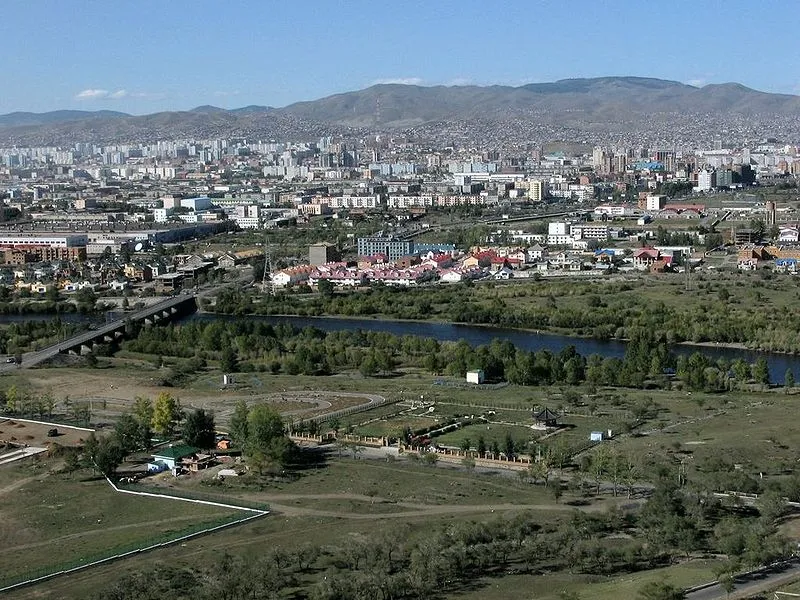
Ulaanbaatar's population skews remarkably young. Nearly half the country's entire population lives in the capital, and a significant chunk of them are millennials and Gen Z professionals who studied abroad, traveled extensively, or simply grew up watching the world through a smartphone screen. They came back — or came of age — with refined tastes and zero interest in settling for instant coffee from a Soviet-era canteen.
At the same time, the city's expat community grew steadily throughout the 2010s, driven by mining investment and international NGO presence. Those communities brought their café habits with them, and Mongolian entrepreneurs took notice fast.
Add in the fact that Ulaanbaatar has a brutally cold winter that stretches half the year, and suddenly a warm, well-designed café becomes less of a luxury and more of a psychological necessity. The city needed third places. Coffee shops answered the call.
The Roasters Doing the Serious Work
What separates a real coffee scene from a city that just has a lot of Starbucks knockoffs is the presence of local roasters who actually care about the craft. Ulaanbaatar has those.
A handful of independent roasting operations have emerged in the capital, sourcing green beans from Ethiopia, Colombia, Guatemala, and beyond, then roasting in-house and supplying both their own cafés and wholesale accounts across the city. The knowledge level among baristas at these spots is legitimately impressive — ask about processing methods or elevation on a particular bean and you'll likely get a real answer, not a blank stare.
One thing worth noting: because Mongolia imports essentially all of its coffee (there's no domestic growing climate, obviously), the supply chain demands real relationships and logistics know-how. The roasters who've made it work have done so through serious hustle — building direct trade connections, navigating import regulations, and maintaining quality across a supply chain that would make most small-batch roasters in the US wince.
What the Café Scene Actually Looks Like
Spread across Ulaanbaatar's central districts — particularly around Sukhbaatar Square, the Zaisan area, and the neighborhoods flanking Peace Avenue — you'll find cafés that range from cozy hole-in-the-wall spots to sleek, Instagram-ready spaces with serious espresso programs.
The design aesthetic leans heavily into what you might call "Mongolian modern" — think clean lines mixed with felt textures, traditional motifs rendered in contemporary ways, and the occasional nod to nomadic imagery without veering into kitsch. These aren't places trying to perform Mongolian culture for tourists. They're spaces built by locals, for locals, with a knowing eye toward international design trends.
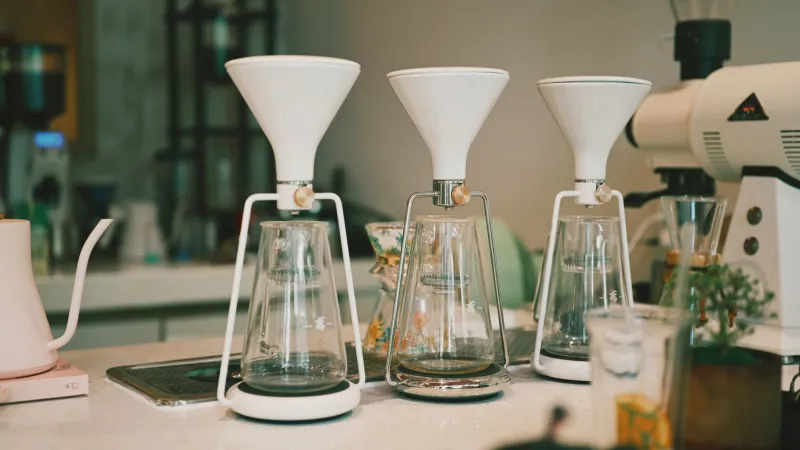
Menu-wise, expect espresso-based drinks executed with real precision alongside filter options — V60, Chemex, and AeroPress all make appearances at the more serious spots. Some cafés have developed signature drinks that blend coffee with local ingredients: think drinks incorporating sea buckthorn, pine honey, or even subtle hints of traditional spices. It's not gimmicky; it's genuinely creative.
Food programs vary, but many of the better cafés have invested in their kitchens. You'll find everything from proper breakfast plates to pastries that could compete with what you'd get at a decent bakery back home.
The Social Fabric of the Scene
Here's something that might surprise you even more than the quality of the coffee itself: the atmosphere in these places.
Ulaanbaatar's cafés have become genuine community anchors. On any given afternoon, you'll find university students working through laptops, young professionals holding informal meetings, artists sketching in notebooks, and friends catching up over flat whites. The energy is relaxed but alive — the kind of vibe that takes years for a café scene to develop organically.
There's also a strong female entrepreneurship thread running through the scene. A notable number of the city's best cafés are owned or co-owned by women, which tracks with broader trends in Mongolian business culture where women hold significant economic power. These aren't just business owners — they're tastemakers actively shaping what Ulaanbaatar's café culture looks and feels like.
For American visitors, the hospitality element will feel familiar but also distinctly Mongolian. Service tends to be warm and genuinely attentive without the performative cheerfulness that can feel hollow back home. Staff at the better spots take real pride in what they're serving, and that comes through.
Practical Notes for Coffee-Loving Travelers
If you're planning to explore the café scene during your time in Ulaanbaatar, a few things worth knowing:
Prices are reasonable by US standards. A well-made espresso drink will typically run you the equivalent of $2–4 USD. Filter coffee is often cheaper. You're not going to break the bank feeding your caffeine habit here.
English menus are common at the more established spots, particularly those in central locations or areas with higher tourist and expat traffic. That said, learning a few Mongolian words goes a long way — staff appreciate the effort and it almost always leads to a warmer interaction.
Hours can be unpredictable. Some cafés keep fairly standard hours; others operate more fluidly. If you've got your heart set on a specific spot, a quick check on their social media (most maintain active Instagram accounts) before heading out is worth the thirty seconds.
The best cafés fill up on weekends. Ulaanbaatar locals have fully embraced the weekend brunch and café culture thing. If you want a seat at one of the more popular spots on a Saturday morning, showing up early or going slightly off-peak will save you the wait.
Worth the Detour
Ulaanbaatar rewards curious travelers — the ones willing to look past the obvious attractions and let the city's texture reveal itself at street level. The coffee scene is one of the best examples of that texture. It's not in any guidebook chapter titled "What to See in Ulaanbaatar." It's just there, humming along, full of interesting people doing interesting work in a city that's reinventing itself faster than most of the world realizes.
So yes, make time for the monasteries. Absolutely visit the National Museum. But also: find a good café, order something the barista recommends, and spend an hour watching Ulaanbaatar go about its day. That hour might end up being one of the most memorable parts of your trip.